
DHG Racing performed exceptionally well during the Le Mans Classic. On the legendary French circuit, where the hundredth anniversary of the 24 Hours of Le Mans was celebrated a few weeks earlier, David and Olivier Hart secured two victories and seven podium finishes, making DHG Racing one of the most successful teams of the Classic.
The greatest success of the weekend came in the races for Grid 5, for sports cars and GTs from the late sixties and early seventies. With the Lola T70 MK3B, a car with which DHG Racing has already achieved an enormous amount of success, David and Olivier once again made history. After setting a fifth-fastest time in qualifying, the father and son proved capable of driving to third place in the first race. But the major success came in the second and third races. In the second race, progress was made immediately after a very strong start, and the team was able to take the lead after the pit stop. Ultimately, they would win with a margin of no less than half a minute. In the third race, the winning margin was also more than twenty seconds, and that in a field of over eighty cars. This time, they were able to start from pole position, and it became clear very early on that DHG Racing would not let this victory slip away either.
Things were less easy in Grid 4, where David and Olivier shared the Ford GT40. After a good qualifying session in which they set the fifth-fastest time, it became apparent during the event that an engine problem was developing. Following a sixth place in the first race and an eighth in the second, it was decided to spare the machinery and skip the third race.
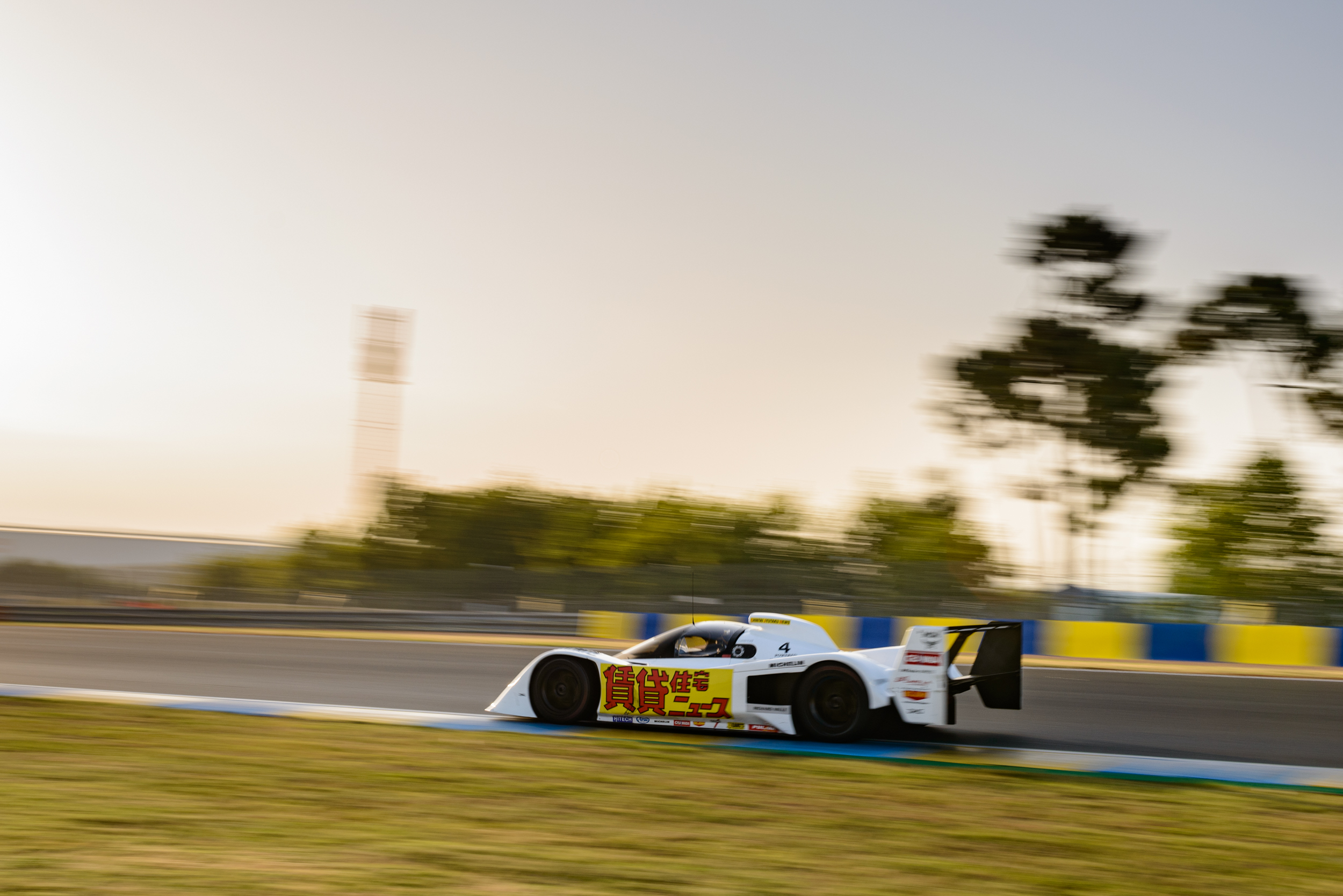
In the Group C class, the qualifying sessions were marred by yellow and red flags, meaning a clear lap was virtually impossible. As a result, David and Olivier ultimately progressed no further than a tenth-fastest time, even though there was much more speed in the Lola T92-10. That became immediately clear in the opening lap of the first race. With David behind the wheel, the British sports car cut through the pack like a knife through butter as he brilliantly took the lead. It was this opening that gave the DHG Racing team the momentum it needed to compete for the podium. After Olivier took over the wheel during the pit stops, he also proved to have a great deal of speed, and partly thanks to the second-fastest lap of the race, the team secured second place in the contest. Olivier drove solo in the second, shorter race, where he had to fight his way forward in just a handful of laps. He succeeded very well and, while it initially seemed that fourth place would be the final result, it turned out after the race that a penalty for a competitor meant two trophies had been won in the Group C races.
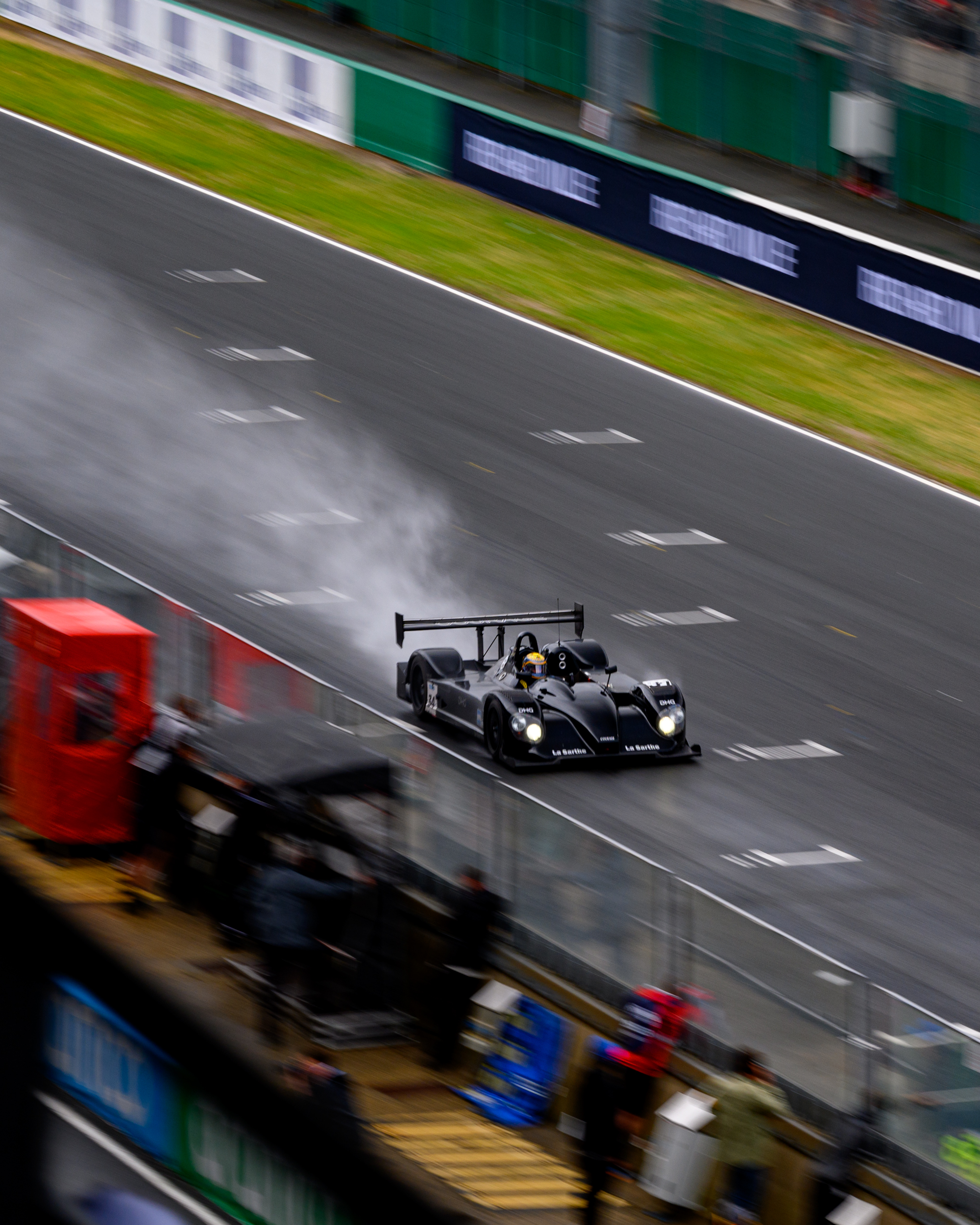
David and Olivier shared the Courage C60 in the Endurance Legends, where a heavy rain shower in the warm-up lap of the first race caused a red flag and significant delays. Once started, David again proved capable of moving forward. From seventh place in the seventy-car field, the black LMP1 sports car moved steadily towards the top three, and after the mandatory pit stop, Olivier was able to finish the job and took third place. Olivier finished on the same podium spot in the sprint race after a lap-long battle with François Perrodo in a Toyota GT-One. With about twenty kilometres per hour more in top speed, the Japanese sports car had the advantage on the long straights, and Perrodo managed to snatch second place from Olivier on the final lap. Nevertheless, the DHG Racing team was very satisfied once again with two trophies.
The Le Mans Classic is one of the largest events of the year, with nearly a thousand participating cars, packed grandstands, and heaps of history. The fact that DHG Racing took seven podium finishes and two victories here is certainly one of the highlights of the season.